



Work has changed. The systems surrounding it often haven’t.
Fixed schedules, commuting, and limited autonomy remain common expectations, even as work itself becomes more digital and outcome-driven. For many people, this mismatch has led to increased interest in business options at home and the broader idea of work-from-home flexibility.
This article examines the structural benefits commonly associated with home-based business models. Rather than promising results, it explains how these models redistribute control, responsibility, and time and what that shift means in practice.
Flexibility in How the Workday Is Structured
One of the most significant structural differences in business options at home is how time is managed. Work is often organized around deliverables rather than hours logged, shifting emphasis from presence to output. This approach is common across many work-from-home business options designed to operate without fixed schedules or centralized offices.
This type of work-from-home flexibility allows individuals to:
- Adjust work hours around existing responsibilities
- Concentrate effort during peak focus periods
- Reallocate tasks based on priority rather than schedule
Flexibility does not eliminate workload expectations. It changes how and when those expectations are met.

Reduced Dependence on Commuting

Time Reallocation
Commuting consumes time without contributing to work output. Removing routine travel alters how the workday begins and ends, often reducing schedule compression and reclaiming hours previously lost to transit.
Common structural changes include:
- Fewer hours spent in transit
- Greater control over start and end times
The effect varies by individual, but the directional change is consistent.
Cost Considerations
Commuting also entails recurring costs, such as fuel, transit passes, parking, and vehicle maintenance. Home-based work reduces or removes many of these expenses, depending on personal circumstances.
Control Over the Work Environment
Managing Distractions
Traditional offices optimize for shared use. Home-based work optimizes for individual conditions.
Working from home allows greater control over noise, interruptions, and workspace layout. Some individuals find this supports:
- Fewer unplanned disruptions
- More predictable working conditions
Outcomes depend on household dynamics and the ability to establish boundaries.
Workspace Customization
Home workspaces can be configured around specific needs rather than standardized layouts. Lighting, seating, and workflow design can be adjusted to support sustained focus over time.

Accountability and Ownership
Self-Management Requirements
Business options at home remove direct supervision. Planning, execution, and follow-through shift fully to the individual.
This structure emphasizes:
- Independent time management
- Decision-making without managerial direction
- Clear ownership of responsibilities
Ownership here refers to accountability, not guaranteed outcomes.
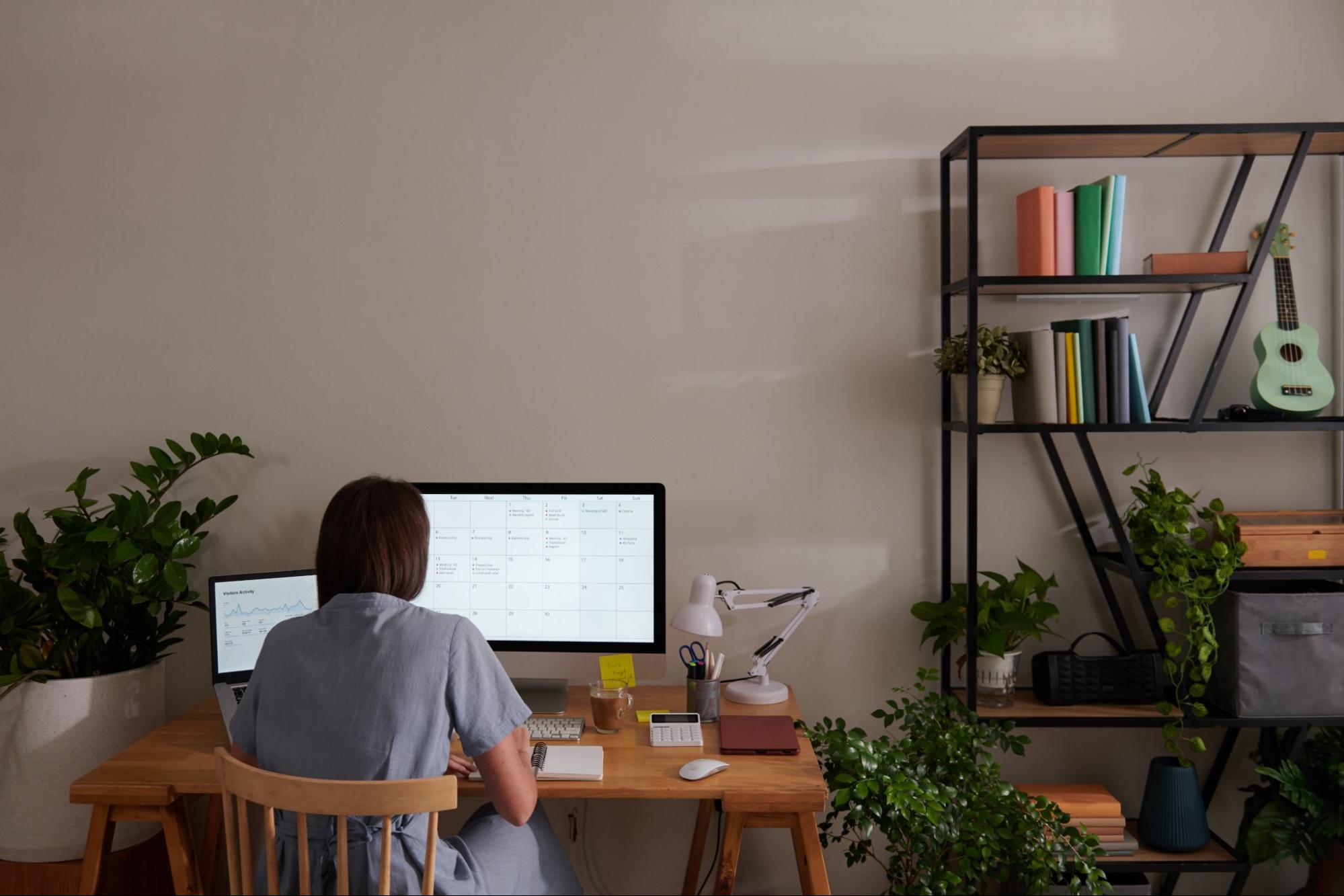
Skill Development Over Time
Managing work independently often develops practical skills, organization, prioritization, and communication through repeated application rather than formal instruction.
Lifestyle and Well-Being Considerations
Daily Routine Adjustments
Work structure shapes daily habits. Removing commuting and rigid schedules may reduce certain pressures while introducing new demands, such as managing interruptions and maintaining separation between work and personal time.
Common considerations include:
- Flexible timing for meals and breaks
- Opportunities to incorporate movement during the day
These factors vary by household and work model.
Boundary Management
Without deliberate boundaries, work can expand indefinitely. Defined work periods and clear transitions are often necessary to sustain long-term consistency.
Independence and Location Flexibility
Working Without Geographic Constraints
Because home-based business options are not tied to a physical office, location-independent work is often possible. This structure is common across many legitimate work-from-home opportunities, where work is designed to be completed remotely rather than in a fixed location.
This may allow individuals to:
- Live outside traditional employment centers
- Relocate without altering work arrangements
Reliable infrastructure remains a requirement.
Evaluating Fit
Location independence is a structural feature, not a universal advantage. Its value depends on personal priorities, household needs, and the nature of the work.
Final Perspective
Business options at home do not simplify work; they reallocate control. Responsibility, flexibility, and accountability shift from the employer to the individual.
Understanding this shift is essential when evaluating whether a home-based model aligns with personal working habits and expectations. This perspective reflects the broader mission of home-based work options: independence, clarity, and informed decision-making. The structure offers specific advantages, but only when matched with the discipline and conditions required to support it.
Clarity, not optimism, is the most useful starting point.
View contact information for additional questions.